Golden Rishi · Media & Press

In the Press

Selected articles, interviews, and archival features from Master Han’s life in Tai Chi, Qigong, and Taekwondo.

Featured Article · Inside Kung-Fu

Finding Fangsong

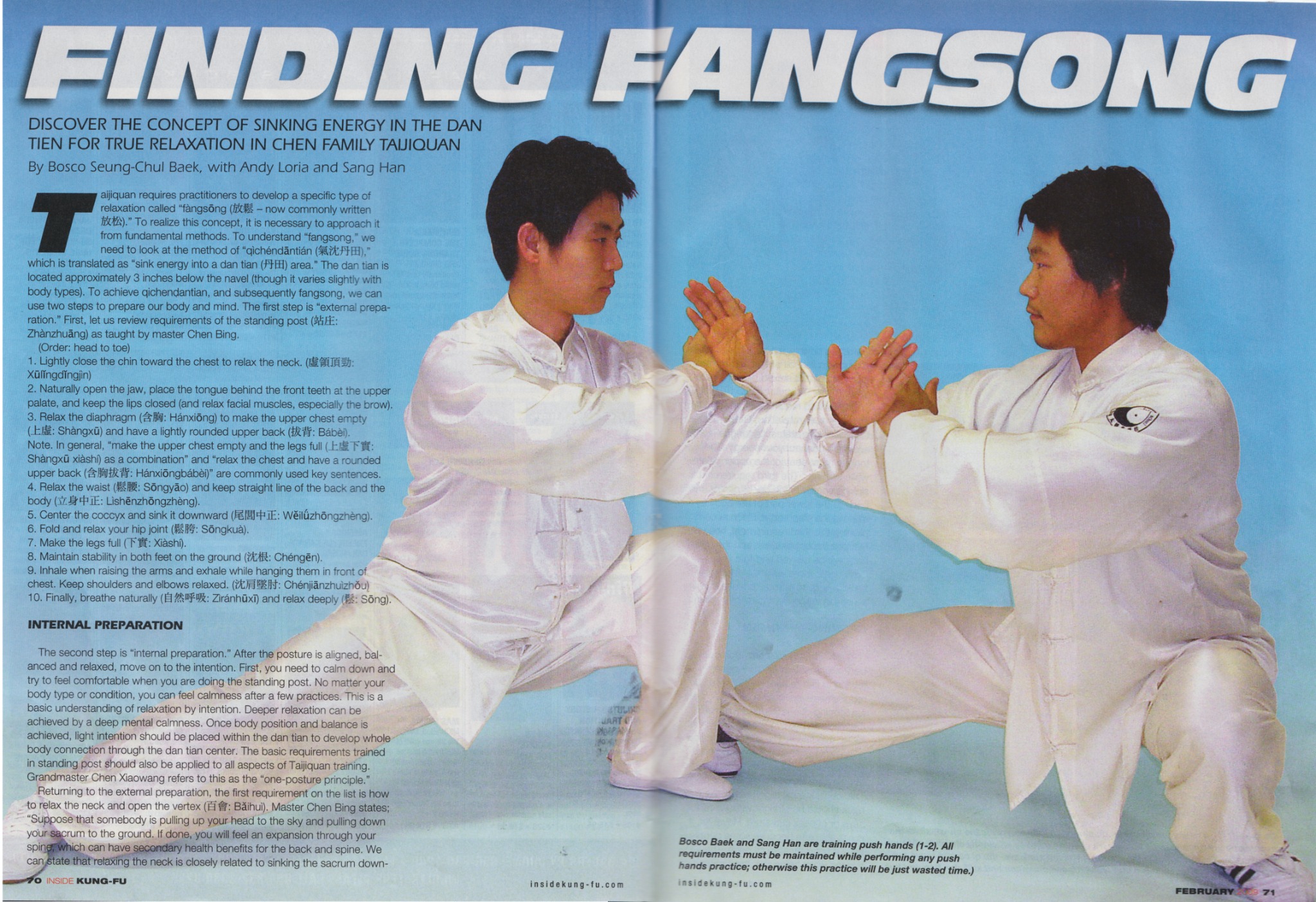
An exploration of relaxation, alignment, and sinking energy in Chen family Taijiquan, with Sang Han credited as a contributor and pictured demonstrating the practice.

February 2009 · Vol. 37, No. 2
Pages 70–73 · English

View original article ↓

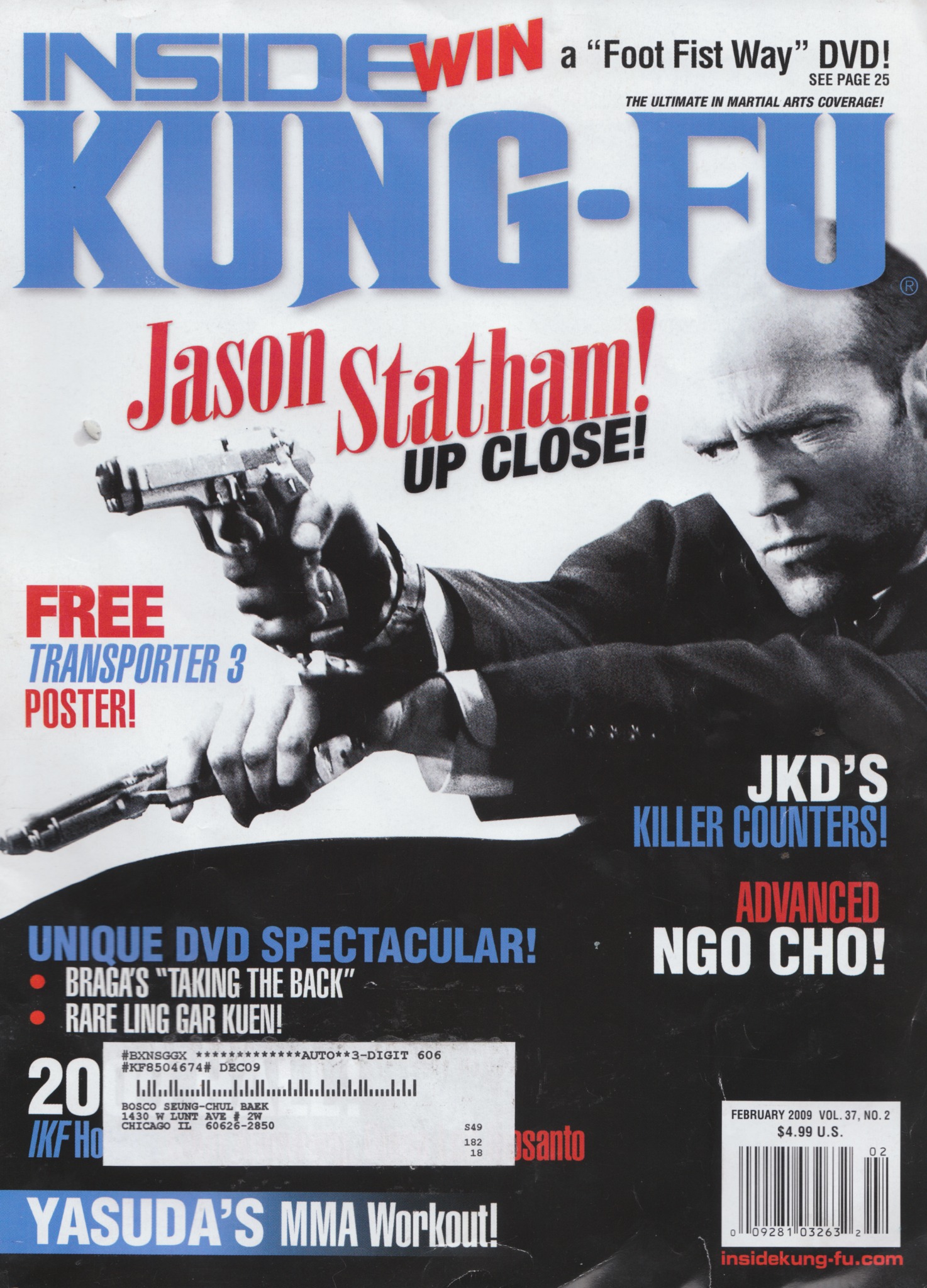
Inside Kung-Fu magazine cover, February 2009, Volume 37 Number 2
Issue cover · February 2009
Finding Fangsong, Inside Kung-Fu, February 2009, opening spread pages 70–71
Finding Fangsong · Pages 70–71

Selected Features

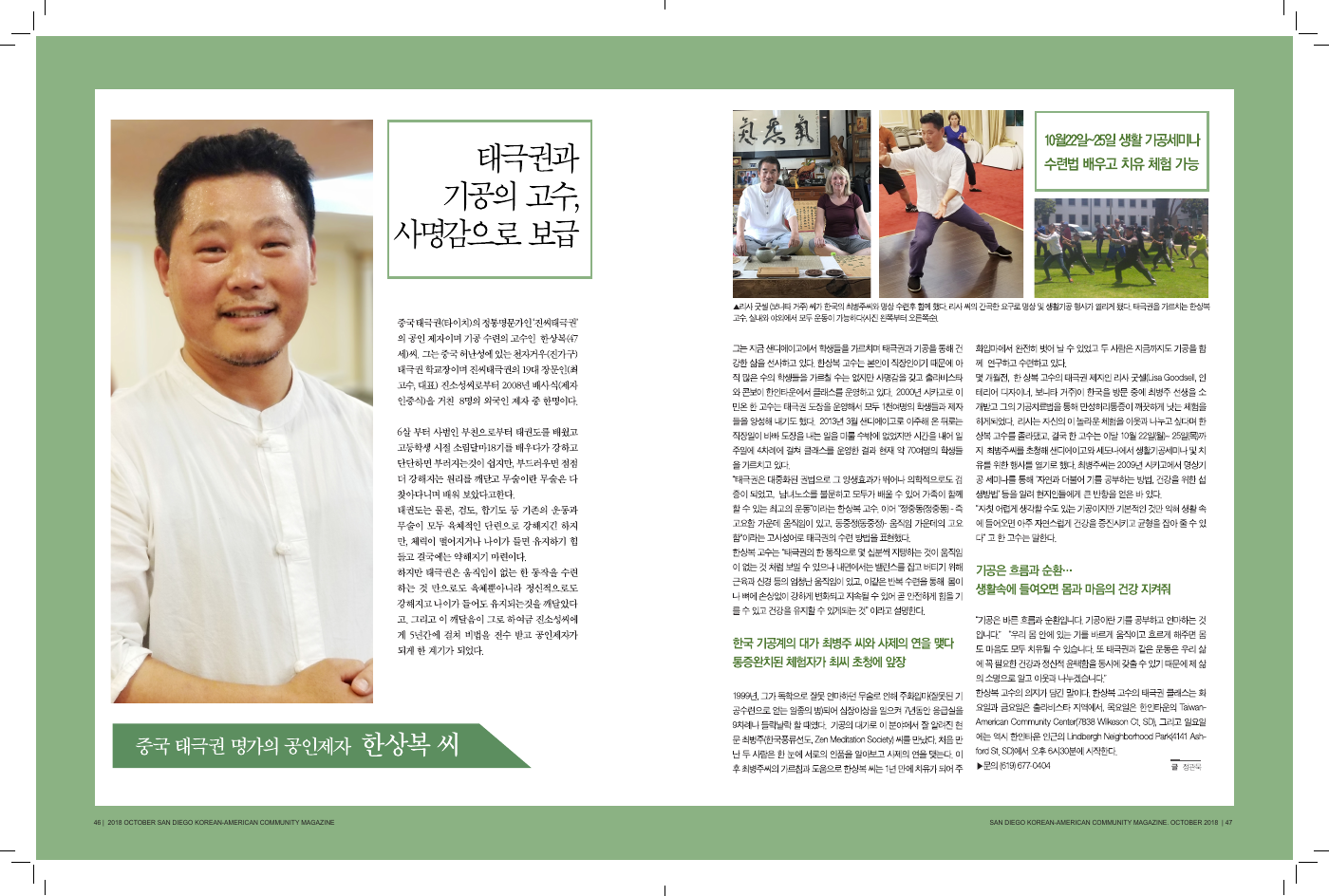
San Diego Korean-American Community Magazine feature on Master Han

October 2018 · Pages 46–47

Sharing Tai Chi & Qigong with a Sense of Mission

A Korean-language profile of Han Sang-pok (Sang Han), his training journey, and his commitment to sharing Tai Chi and Qigong in the community.

San Diego Korean-American Community Magazine
태극권과 기공의 고수, 사명감으로 보급

Read original PDF ↗

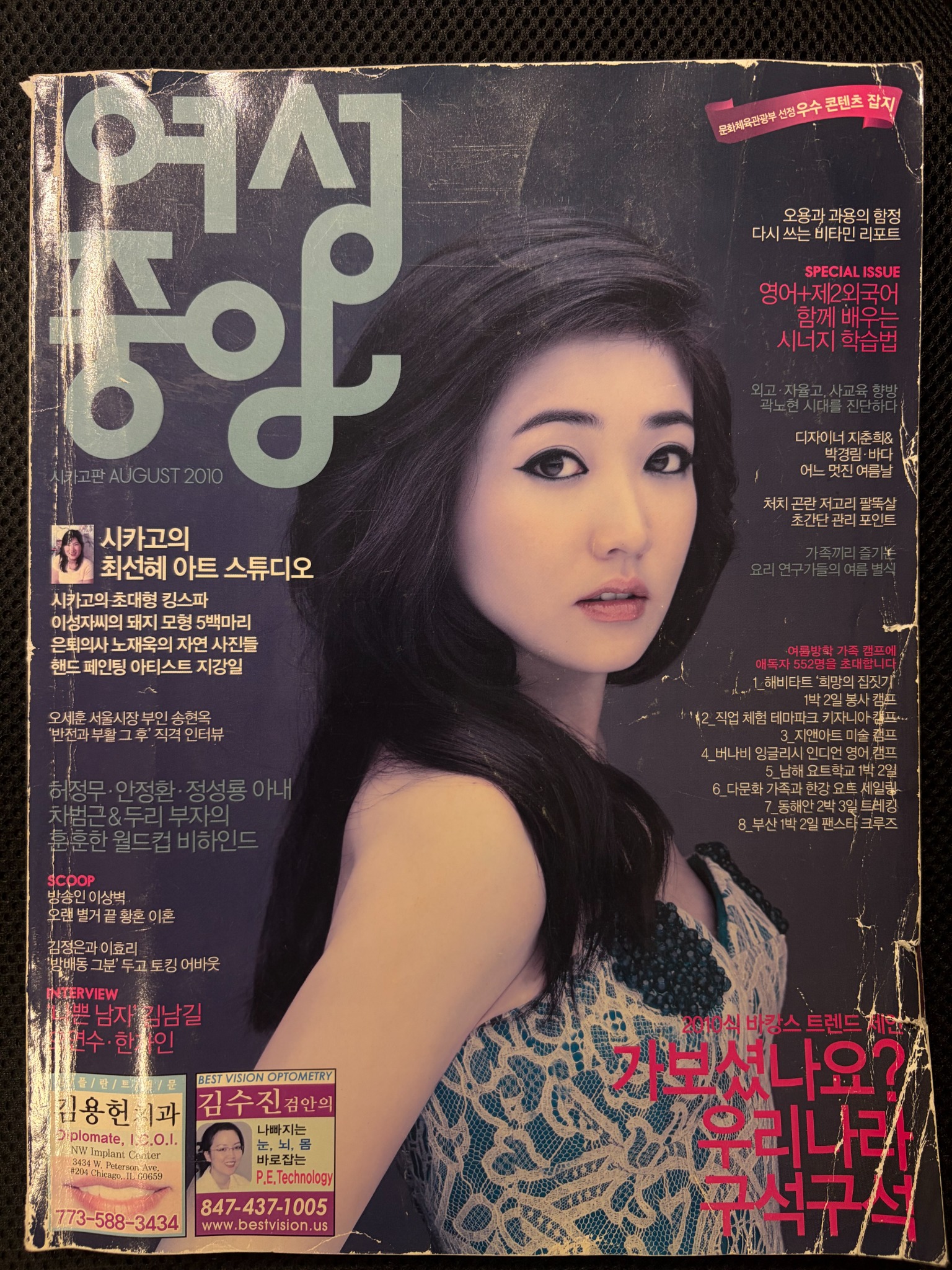
Women’s JoongAng Chicago edition cover, August 2010

August 2010 · Chicago Edition

Taekwondo, Teaching & Community

A historical Korean-language feature on Han Sang-pok’s leadership in the Illinois Korean Taekwondo community, his teaching approach, and the values of martial arts practice.

여성중앙 · Women’s JoongAng
Historical titles and ranks reflect the time of publication.

View photos & English translation ↓

A life of practice.
A story to share.

Interview · SDVoyager

Hidden Gems: Meet Sang Han

A personal conversation about Master Han’s journey, his teachers, and the community behind Golden Rishi Qigong & Tai Chi.

The interview previously featured on this page is preserved below.

Read the interview ↓

Inside Kung-Fu · Contents & Original Article Pages

February 2009 · Contents and article pages 70–73. Select a scan to open the full-size original.

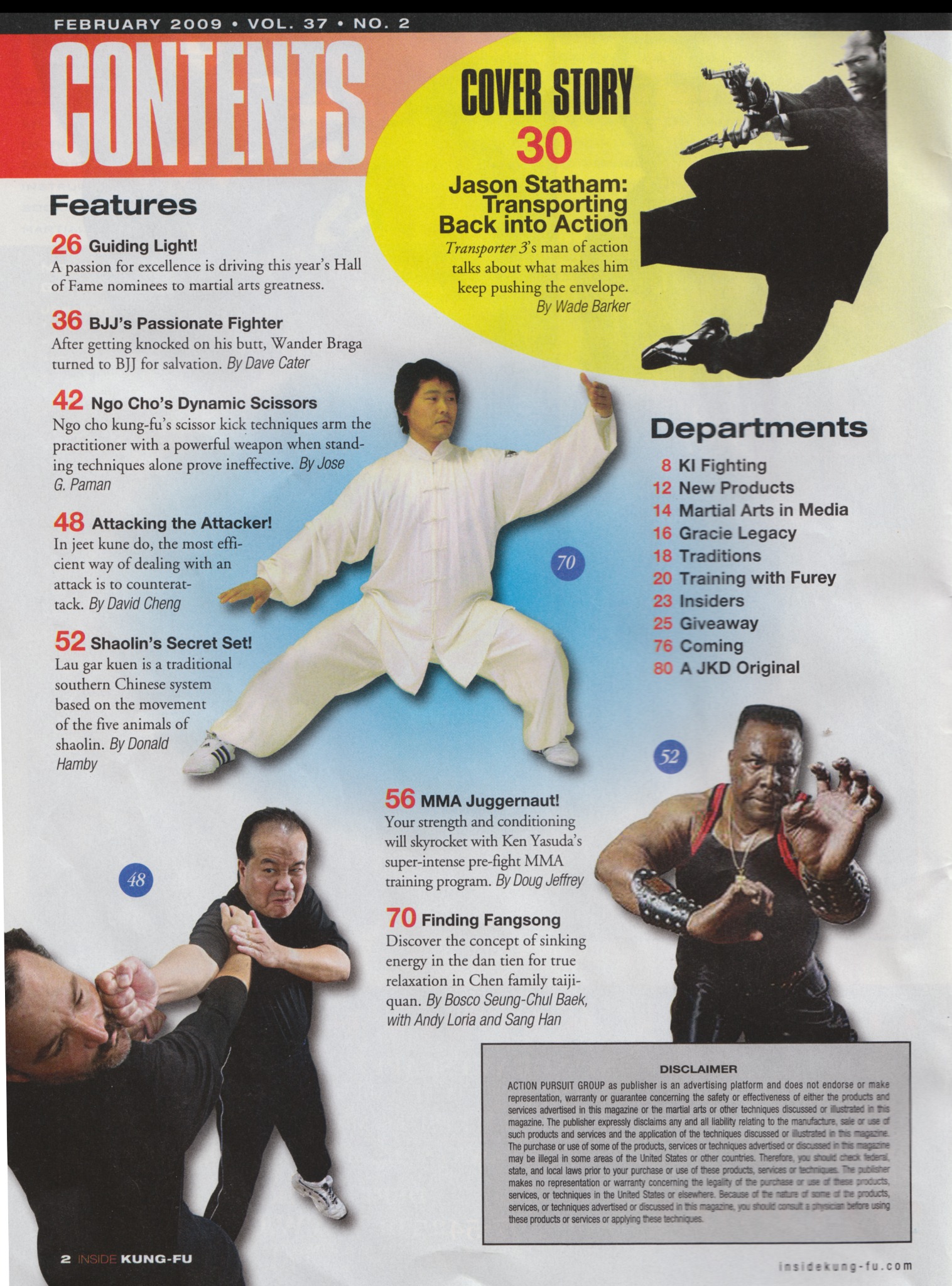
Inside Kung-Fu contents page, February 2009, featuring Sang Han and Finding Fangsong on page 70
Contents · February 2009 · Finding Fangsong, p. 70
Finding Fangsong · Pages 70–71
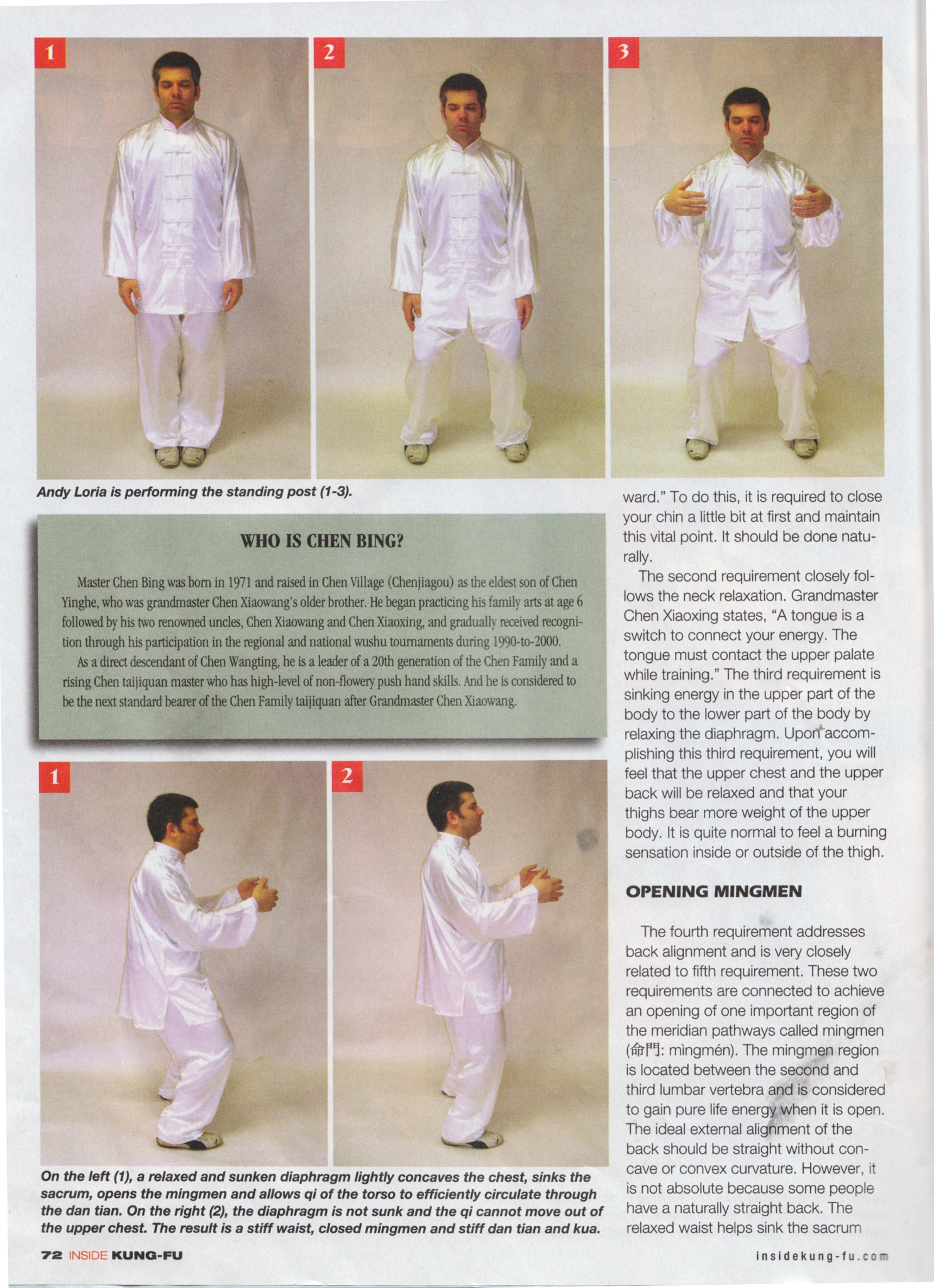
Finding Fangsong · Page 72
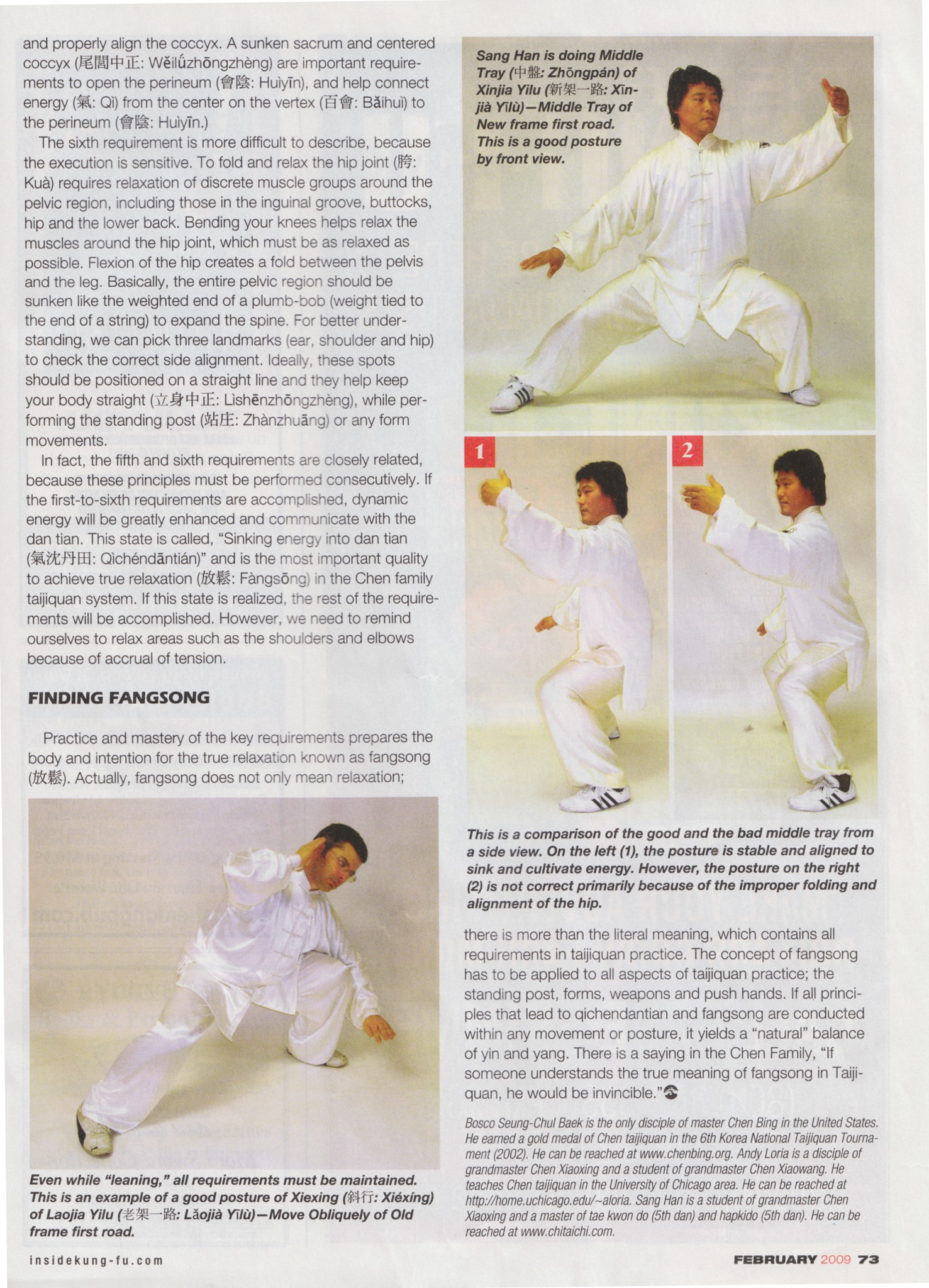
Finding Fangsong · Page 73

Women’s JoongAng · August 2010

Taekwondo, Teaching & Community

Photographs from the Chicago edition feature, followed by an English translation and the original Korean magazine pages.

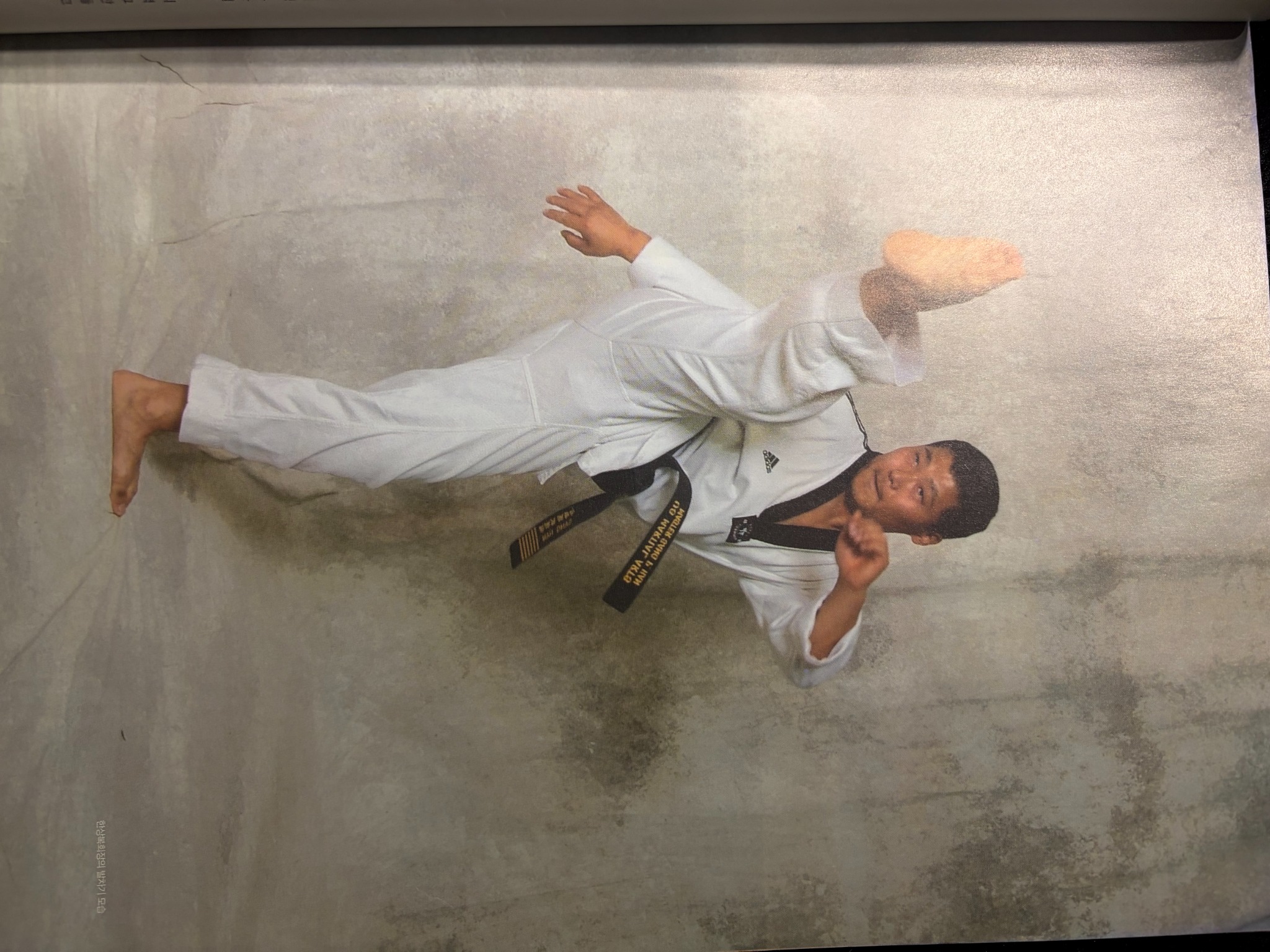
Master Han · Original Taekwondo photograph from Women’s JoongAng, August 2010

Master Han · Original magazine photograph
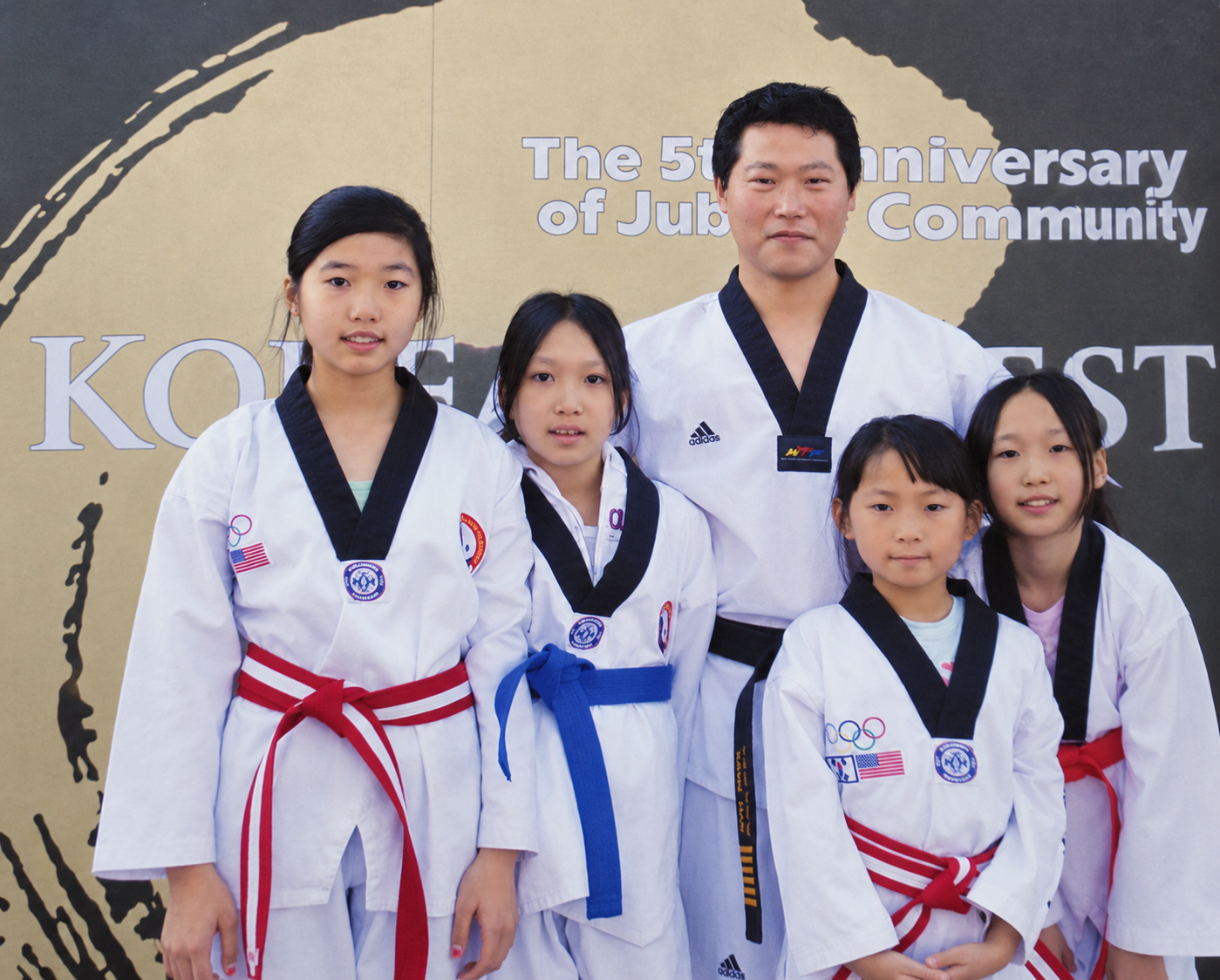
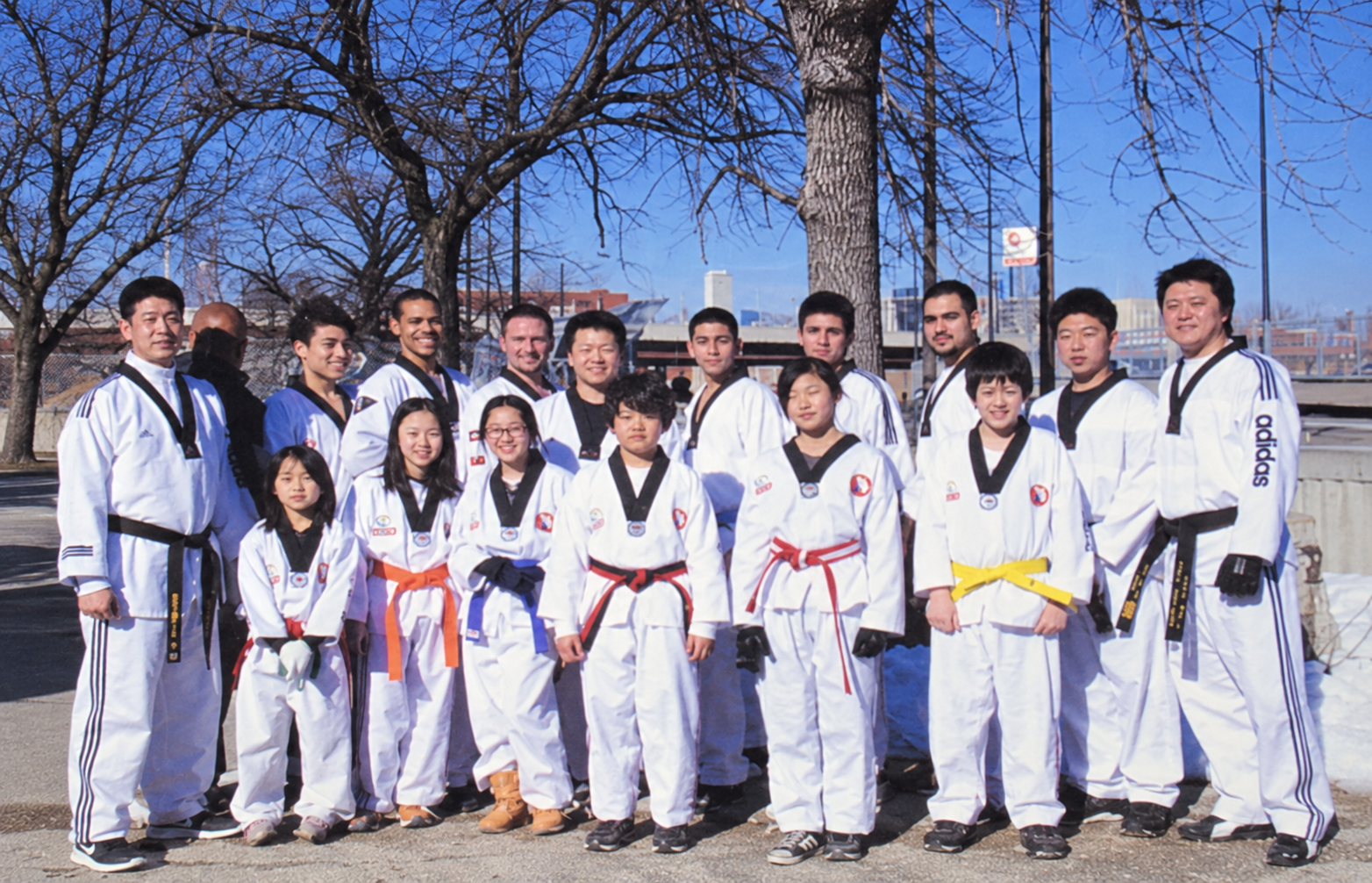
Master Han with Taekwondo students
Taekwondo students · Outdoor gathering
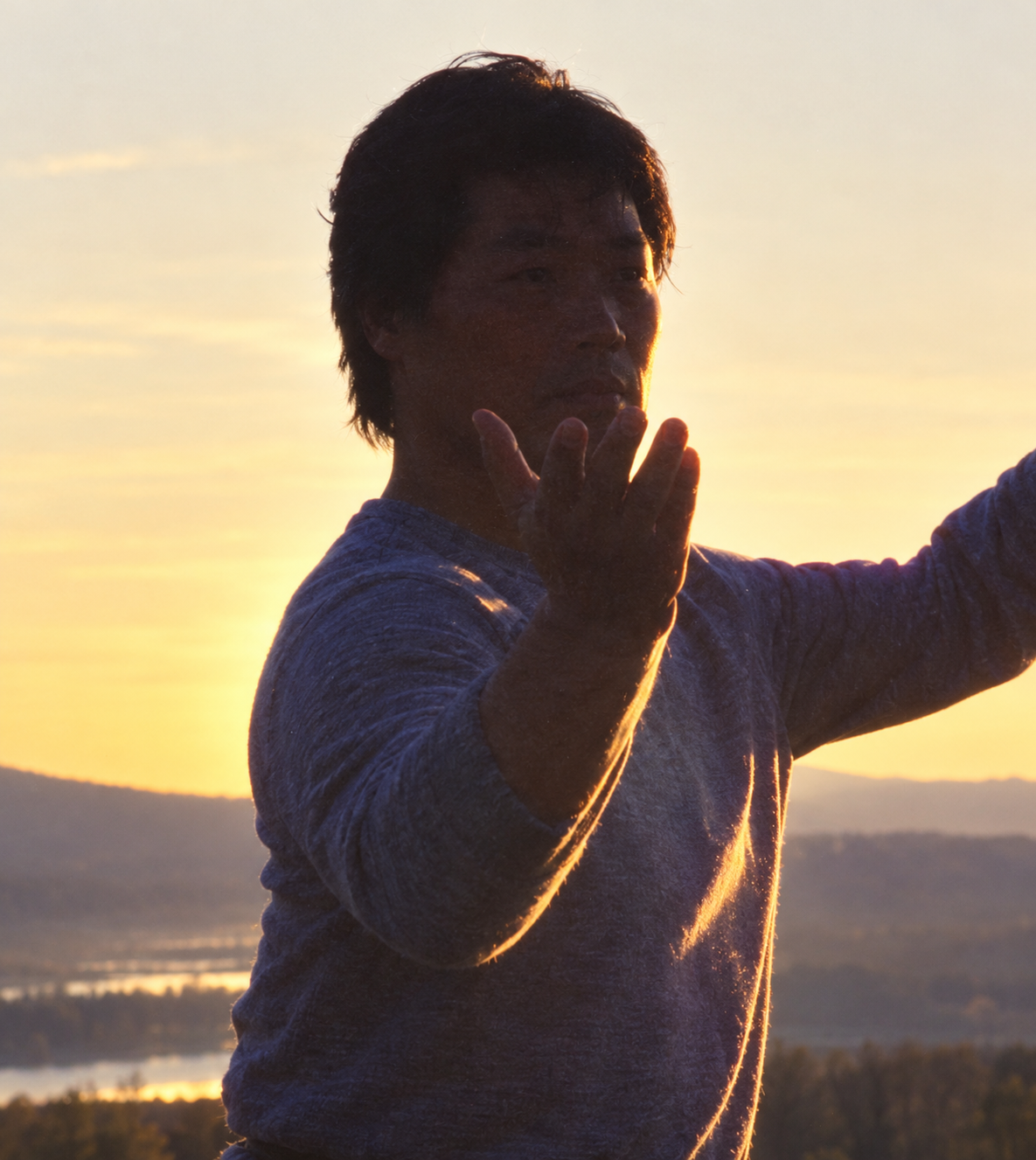
Master Han · Martial arts practice
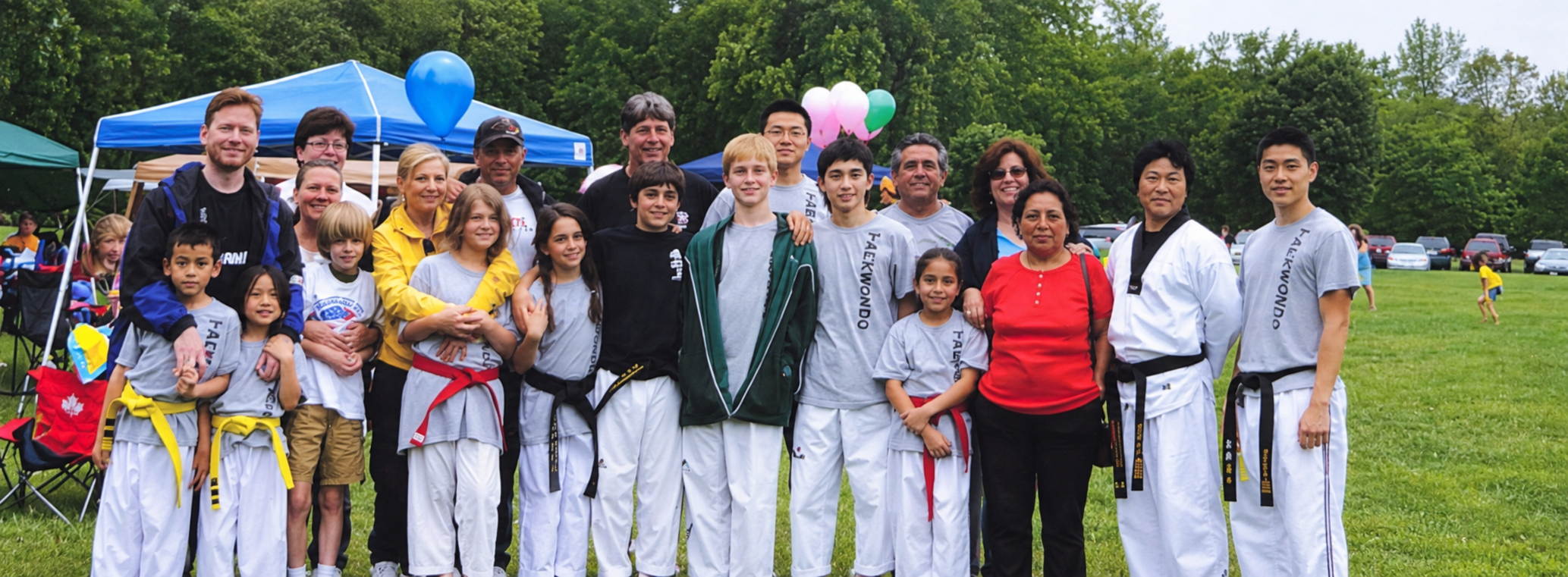
Students and families · Community picnic
Read the English Translation

Women’s JoongAng · Chicago Edition · August 2010

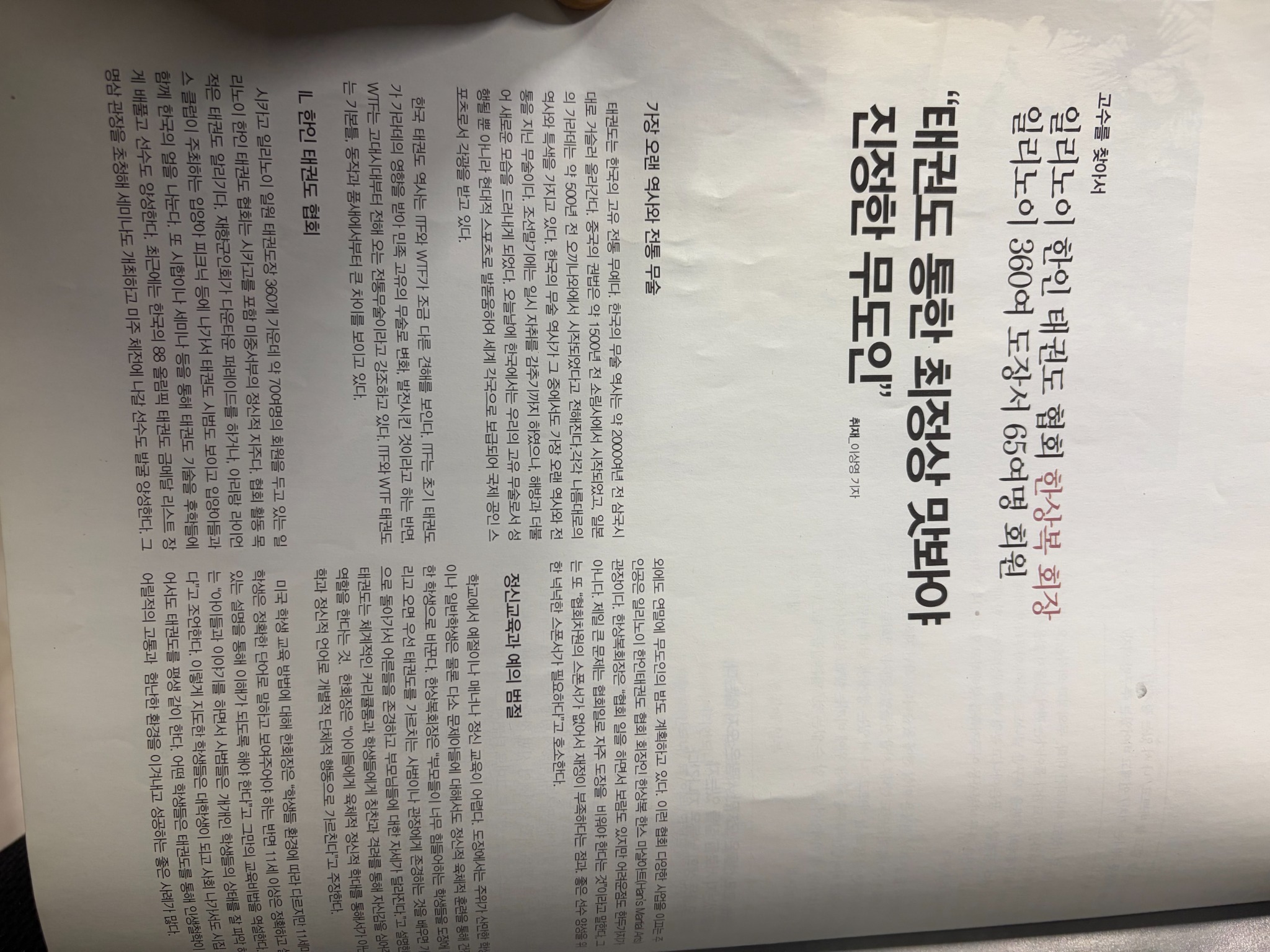
“To Become a True Martial Artist, Experience the Highest Level Through Taekwondo”

In Search of Masters: Han Sang-pok, President of the Illinois Korean Taekwondo Association
The article’s introduction describes an association with approximately 650 members from more than 360 Illinois schools.
Reported by Lee Sang-young

English translation of the Korean article shown in the archive below. Titles, ranks, membership figures, historical descriptions, organizations, and contact information reflect the original 2010 publication.

A Martial Art with a Long History and Tradition

Taekwondo is a traditional Korean martial art. The article traces Korea’s martial arts history back approximately 2,000 years to the Three Kingdoms period. It describes Chinese martial arts as originating at Shaolin Temple about 1,500 years ago and Japanese karate as beginning in Okinawa about 500 years ago. Each tradition has its own history and distinctive characteristics. Among them, Korea’s martial arts are presented as having a particularly long history and tradition. Although they temporarily faded from view toward the end of the Joseon period, they reemerged after Korea’s liberation. Today, Taekwondo has developed into a modern sport practiced around the world and recognized internationally.

The ITF and WTF offer somewhat different views of Taekwondo’s history. The ITF regards early Taekwondo as having developed under the influence of karate before evolving into a distinctly Korean martial art. The WTF emphasizes its roots in a traditional martial art handed down from ancient times. The basic framework, movements, and forms practiced in the two systems differ considerably.

The Illinois Korean Taekwondo Association

Among approximately 360 Taekwondo schools in Chicago and the surrounding Illinois area, the Illinois Korean Taekwondo Association, described in the body of the article as having approximately 700 members, serves as a source of support for the martial arts community throughout Chicago and the Midwest. One of its aims is to introduce Taekwondo. When Korean veterans’ groups hold karate demonstrations or the Arirang Lions Club organizes activities such as adoption-related picnics, the association presents Taekwondo demonstrations and shares Korean culture with adopted children. Through competitions and seminars, it also passes on Taekwondo skills to the next generation and develops athletes. It has invited Jang Myeong-sam, a gold medalist at the 1988 Seoul Olympic Taekwondo event, to conduct seminars and help train athletes for competitions in the United States. It also plans a year-end gathering for martial artists.

Han Sang-pok, president of the Illinois Korean Taekwondo Association, leads these activities while also running Han’s Martial Arts. He says the work is rewarding but brings challenges. The greatest difficulty is having to leave his school frequently to attend to association duties. He also points to the lack of association sponsors and limited funding, appealing for generous sponsorship to help develop promising practitioners.

Character Education and Respect

At a time when schools can find it difficult to teach courtesy, manners, and character, Taekwondo schools provide moral guidance not only to young students but also to adults. Han says, “When parents bring in a student who has been giving them a difficult time, learning to respect the instructor or school director who teaches Taekwondo can change the way that student treats adults and parents at home.” Through a structured curriculum and encouragement, Taekwondo helps students build confidence. Han maintains that children can be taught physical, academic, and moral development, together with individual and group conduct.

He explains that teaching methods should vary according to a student’s circumstances. With children under 11, an instructor should use precise words and demonstrate clearly. With older students, a more detailed explanation helps them understand. He emphasizes his approach: “Talk with children, and let instructors learn about each student’s situation.” Students taught in this way go on to college and continue to practice Taekwondo throughout their adult lives. Many overcome childhood difficulties and challenging circumstances through Taekwondo and become successful adults.

Relieving Stress, Building Confidence, and Learning About Life

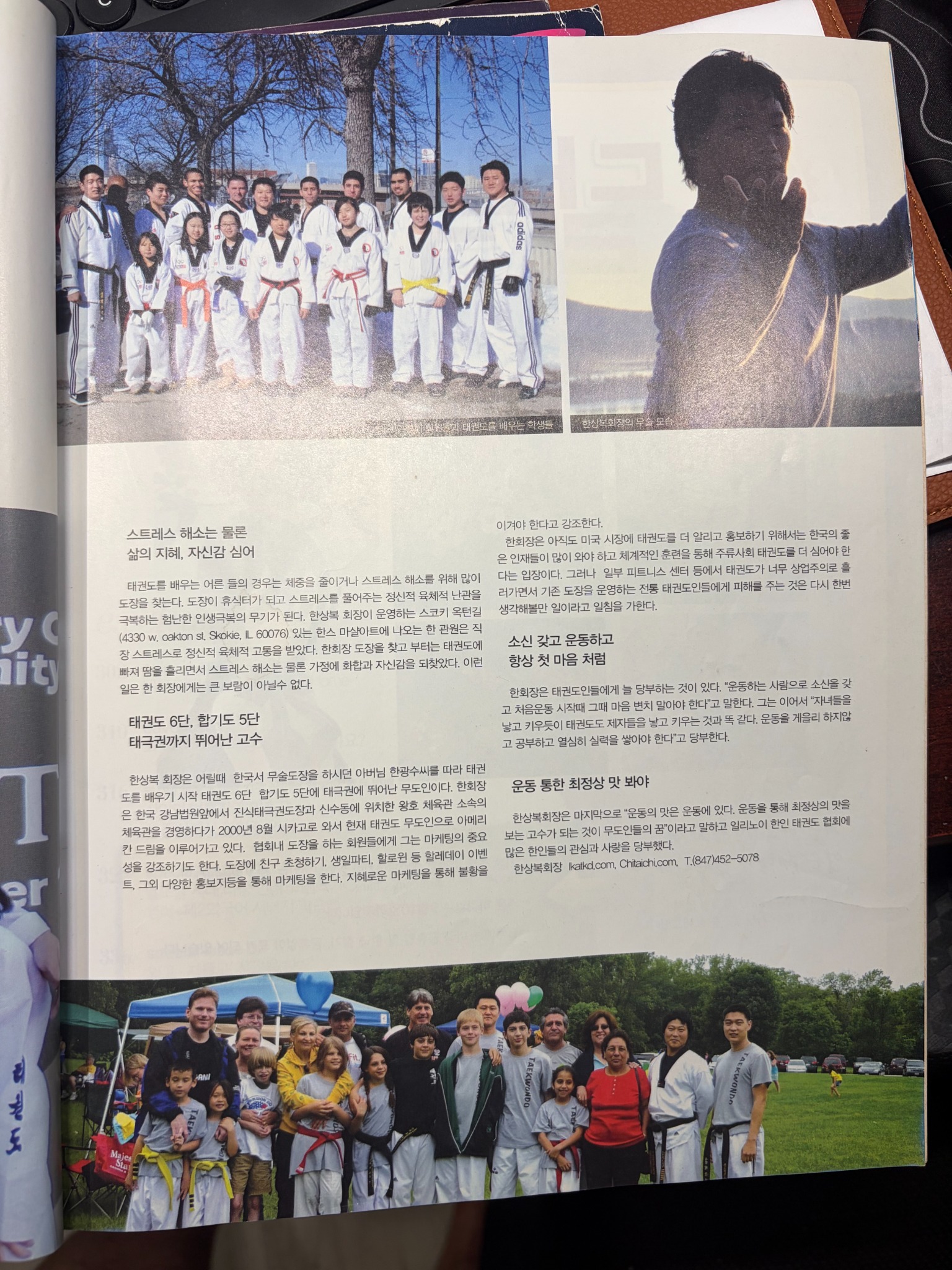
Adults often come to a Taekwondo school to lose weight or relieve stress. A school can become a place of rest, helping people release tension and find a way through physical and emotional difficulties. For one Korean student attending Han’s Martial Arts in Skokie, the strain of work had brought both mental and physical suffering. After beginning Taekwondo at Han’s school, the student learned to release stress, regain confidence, and restore harmony at home. Such experiences are a great source of fulfillment for Han.

A Practitioner of Taekwondo, Hapkido, and Tai Chi

The article describes Han as a sixth-dan Taekwondo practitioner, a fifth-dan Hapkido practitioner, and a skilled Tai Chi practitioner. He began learning Taekwondo as a child from his father, Han Gwang-su, who operated a martial arts school in Korea. He later ran Hwangho Gymnasium, affiliated with the Jinshik Taekwondo school, near Gangnam Severance Hospital and in Sinsu-dong. He moved to Chicago in August 2000 and continued pursuing his American dream through martial arts.

He also stresses the importance of marketing to association members who operate their own schools. Inviting friends to the school, birthday parties, Halloween and other holiday events, and a variety of promotional materials can all help attract interest. Thoughtful marketing, he says, can help schools weather difficult economic conditions.

Han believes that, to introduce and promote Taekwondo more widely in the United States, talented practitioners from Korea should come and establish strong roots through systematic training. At the same time, he cautions that an excessively commercial approach in some fitness centers can harm traditional Taekwondo schools and deserves careful consideration.

Practice with Conviction, and Keep Your Beginner’s Mind

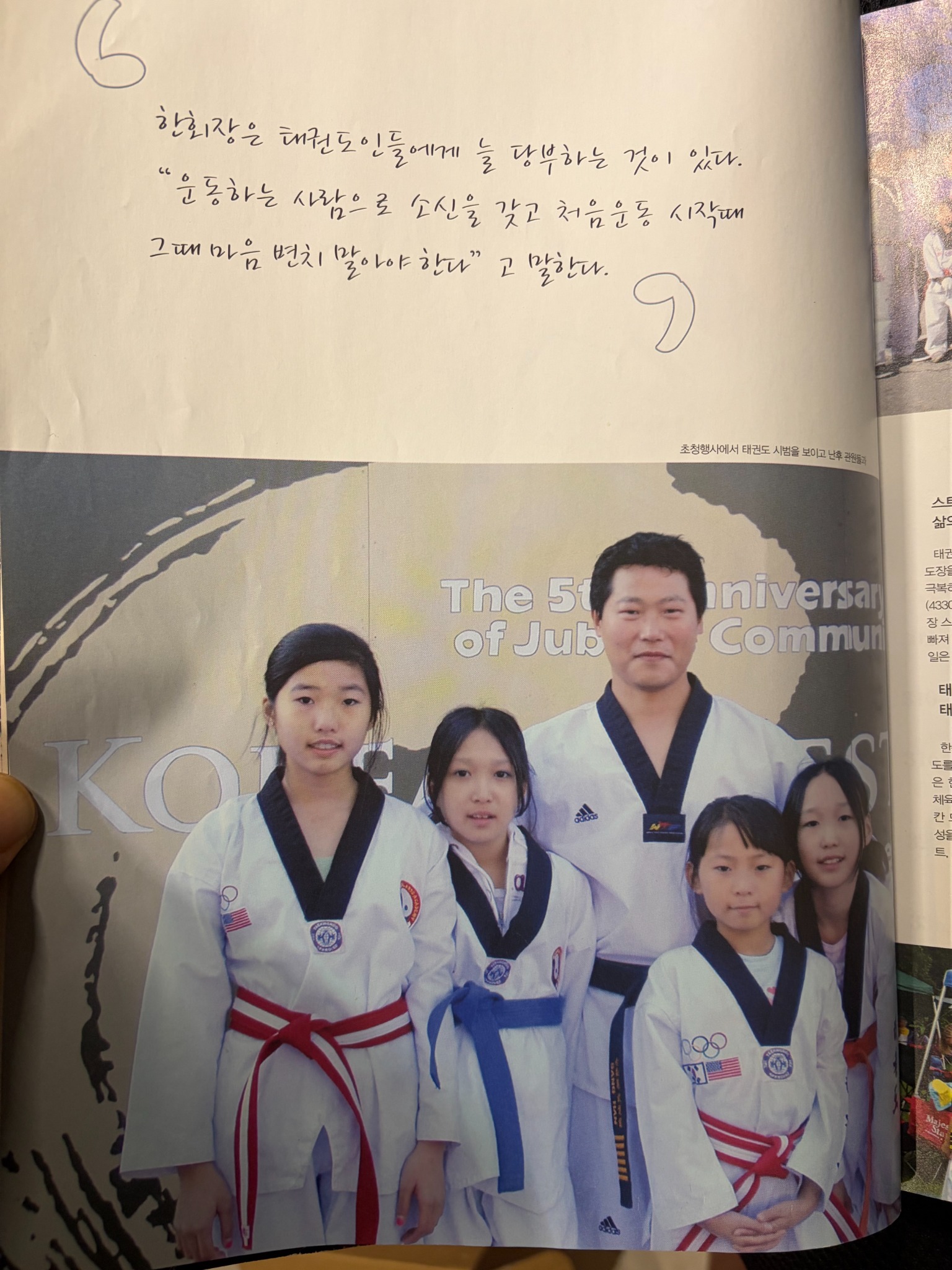
Han always offers fellow Taekwondo practitioners this advice: “Have conviction as a person who practices martial arts, and never lose the mindset you had when you first began.” He compares raising Taekwondo students to raising one’s own children. He encourages practitioners to avoid becoming complacent, study diligently, and keep developing their skills.

Experience the Highest Level Through Practice

Han concludes, “The full experience of martial arts lies in practice. Reaching the highest level through that practice is the dream of every martial artist.” He asks the Korean community to continue its interest in and support for the Illinois Korean Taekwondo Association.

The original article lists association websites and a telephone number. These historical contact details remain visible in the original magazine pages; for current Golden Rishi information, please use this website’s current menus.

Photograph Captions

  • Master Han’s Taekwondo demonstration.
  • With students after a Taekwondo demonstration at an invited event.
  • Students learning Taekwondo.
  • Han Sang-pok practicing martial arts.
View the Original Korean Magazine Pages

Chicago edition · August 2010. Original photographed pages; historical titles, ranks, and contact details reflect the time of publication.

Women’s JoongAng · August 2010 cover

Women’s JoongAng · Opening article page

Women’s JoongAng · Opening article page

Women’s JoongAng · Taekwondo photograph

Women’s JoongAng · Taekwondo photograph
Women’s JoongAng · Teaching and students
Women’s JoongAng · Article and community photographs
Hidden Gems: Meet Sang Han · Full interview

Archived interview. For current programs and pricing, please see Class Register.

Hidden Gems: Meet Sang Han of Golden Rishi Qigong & Tai Chi

Today we’d like to introduce you to Sang Han.

Hi Sang, can you start by introducing yourself? We’d love to learn more about how you got to where you are today?
Master Han’s Journey: From Despair to Healing and Legacy

Master Han has dedicated his life to mind-body disciplines, beginning martial arts in 1974 and earning a 7th Dan Black Belt from Kukkiwon. His search for inner harmony became critical in 1995, when a sudden health crisis left him with severe fatigue, chest pressure, and fear of death. When Western medicine failed, he turned to Tai Chi—and found healing.

In 1999, he met Grand Master Byung Joo Choi, founder of the Golden Rishi Academy in Korea, who became his mentor and guided his recovery through Qigong. A mountain hike with Grand Master Choi became a turning point—where he felt healing for the first time.

After immigrating to the U.S. in 2000, Master Han opened a Tai Chi and Qigong school in Chicago, later moving to San Diego. Though the journey was difficult, he remained committed to sharing what had saved him.

He honors two great teachers:

Grand Master Chen Xiao Xing, 19th-generation Chen Taijiquan lineage holder, under whom he is the first Korean American disciple.

Grand Master Byung Joo Choi, who asked Master Han to publish two important works:

Qigong Revolution: Core principles of Qigong

Sojucheon: Microcosmic Orbit meditation and the path of Seongmyeong Ssangsu (cultivating body and spirit)

Today, as President of Golden Rishi Academy USA, Master Han continues to teach globally, carrying forward the wisdom of authentic lineage and personal transformation.

“My journey began in pain, but it led me to purpose. Now I help others find their own path to healing.”

—Sang P. Han, President, Golden Rishi Academy USA

Would you say it’s been a smooth road, and if not what are some of the biggest challenges you’ve faced along the way?
Master Han’s journey has been filled with physical, mental, and spiritual trials.

The most defining hardship came in his mid-20s. Outwardly, he appeared healthy and was actively teaching martial arts. But one day, while taking a bath, he suddenly collapsed from intense chest pressure and difficulty breathing. From that moment, his health rapidly declined—his weight dropped from 90kg to 70kg, he could no longer exercise, and no treatment seemed to help. Both his body and spirit hit rock bottom.

In desperation, he turned to Tai Chi and Qigong. A major turning point came in 1999 when he met Grand Master Byung Joo Choi in Korea. Grand Master Choi’s training was strict and deeply internal—far from the fast results many seekers hoped for. But Master Han endured, and through steady practice, began to heal both physically and emotionally. This profound healing experience gave birth to a dream: to share this wisdom in the West.

In 2000, he immigrated to the United States with his wife and two young children. But more challenges awaited—language barriers, cultural isolation, and financial struggles. He opened a Tai Chi school, but students were few and the future uncertain. Still, he did not give up. He kept teaching the practice that had saved his life.

Gradually, people began to come. As they practiced, their own healing began. Slowly but surely, the ancient wisdom that Master Han had devoted his life to began taking root in the Western world.

We’ve been impressed with Golden Rishi Qigong & Tai Chi, but for folks who might not be as familiar, what can you share with them about what you do and what sets you apart from others?
The Academy is a San Diego-based 501(c)(3) nonprofit dedicated to improving community health through Qigong and Taijiquan (Tai Chi) programs. We offer free community classes, affordable fee-based programs with sliding-scale options, specialized health-focused sessions, educational publications, and wellness seminars to promote physical mobility, mental clarity, and emotional balance for all ages and abilities. Known for accessibility, inclusivity, and evidence-based practices, we stand out by reinvesting all revenue into our mission. We’re proud of empowering thousands in San Diego to live healthier lives. Join us at [website] to experience these ancient healing arts.

Can you share something surprising about yourself?
While many people recognize that our Golden Rishi Academy is dedicated to promoting health and wellness through Qigong and Tai Chi in San Diego, few know the deeper story of our vibrant community. Our students come from all walks of life—across cultures and generations, including seniors in their 90s—united in the pursuit of harmony in body, mind, and spirit through these ancient practices.

We regularly perform Tai Chi and Qigong demonstrations at local events such as SeaWorld and the Lunar New Year Festival in downtown San Diego, and we proudly hosted in World Tai Chi & Qigong Day (Last Saturday of April), connecting with practitioners across the globe. Through meditation and Tai Chi retreats held in Japan, Korea, Sedona, the Grand Canyon, and Idyllwild, we support both the physical and spiritual growth of our members.

These experiences have revealed a powerful community need for wellness-based programming and inspired our founders to establish a nonprofit dedicated to making these timeless healing arts part of public health for all.

Pricing:

  • Free 30min Tryout Lesson
  • Free Hiking and meditation
  • $50 per class
  • $145/month for 1 class/week
  • $195/month for 2 classes/week

Contact Info:

Newspaper Coverage

The Korea Daily

Discover Master Han’s leadership and service in the Taekwondo community. Read the English translation below, with the original Korean article available for reference.

November 22, 2009 · Chicago · English translation available

Han Sang-pok Elected President of the Illinois Korean Taekwondo Association

Reporting on Han Sang-pok’s election as the association’s 15th president, this article introduces his plans for instructor education, a demonstration team, and fundraising to support senior Taekwondo practitioners.

Additional Newspaper Archive · Korean

These original Korean-language articles are preserved for reference. English translations are not yet available.